

Ofsted Inspection Updates
Ofsted has updated the way nurseries are inspected from 2025, with clearer report cards that show simple grades alongside short explanations of what each setting does well and where it can improve.
Nurseries are now graded on a five-point scale, Exceptional, Strong Standard, Expected Standard, Needs Attention and Urgent Improvement, across key areas such as teaching, early years care, children’s progress, inclusion, leadership, wellbeing, and behaviour.
Welling’s New Ofsted Report
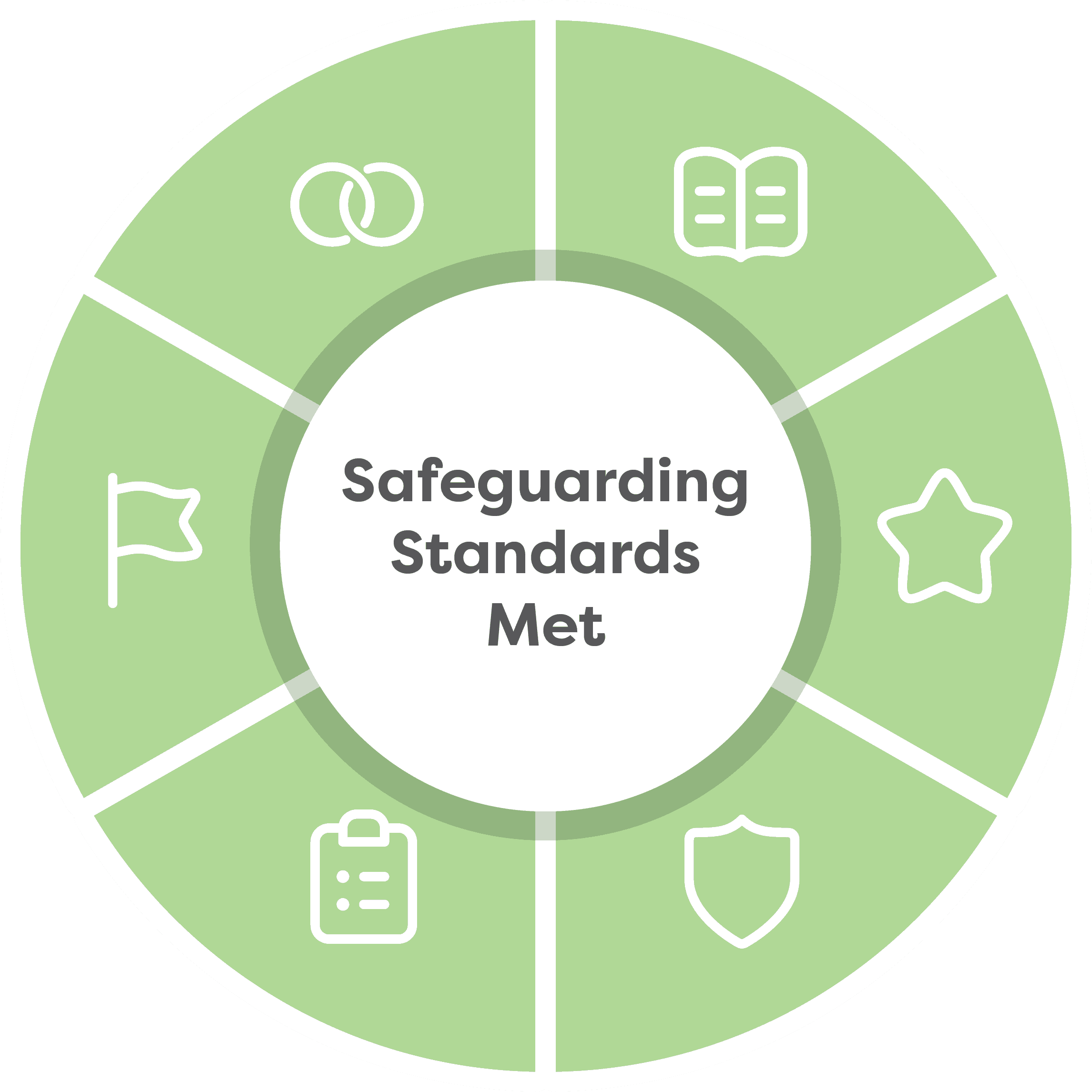
Monkey Puzzle Welling was inspected by Ofsted in September 2026, with the report confirming that safeguarding standards were fully met and children’s safety and wellbeing remain a top priority. The nursery achieved Expected Standard across all six key areas of inspection, reflecting the high-quality care, learning and support provided by the team. Parents and carers can read the full Ofsted report here to learn more about the inspectors’ findings.
New Ofsted Report

What Ofsted Highlighted
Children’s Welfare and Wellbeing – Expected Standard
Staff encourage children to begin managing their own hygiene routines, such as washing their hands before and after meals, helping them build independence from an early age. Children learn why the meals they eat are healthy and enjoy sociable mealtimes, chatting with staff about their day, likes and dislikes. Staff gather detailed information from families when children start, using it to shape routines from day one, which helps children show high levels of emotional resilience. Children enjoy fresh air every day, staff respond warmly whenever children seek comfort, and close supervision during eating and sleeping keeps children safe.
Achievement – Expected Standard
All children, including those with special educational needs and/or disabilities, make steady progress from their individual starting points. Children build a secure understanding of early mathematics, with younger children exploring numbers through songs and older children learning about ‘more than’ and ‘less than’ as they count their friends in the garden. Staff adapt their interactions for children who may face barriers to learning, helping everyone to progress well. Children develop their communication skills through conversations with their peers and explore different ways of moving as they crawl, slide and jump outdoors, building important skills ready for their next stage of learning.
Behaviour, Attitudes and Establishing Routines – Expected Standard
Leaders and staff create a welcoming environment where each child’s individual needs are met. Staff are deeply kind and nurturing, gently reminding children of the rules and explaining how they help keep everyone safe, which contributes to the caring and respectful way children speak to staff and their friends. Older children enjoy plenty of opportunities for collaborative play, learning to take turns and share much-loved toys. Children behave well and show positive attitudes towards their learning. Routines are carefully planned and followed, and leaders are working to adapt them further for younger children who have recently moved rooms, particularly during more structured times of the day such as mealtimes.
Curriculum and Teaching – Expected Standard
Leaders have designed a broad, balanced curriculum centred on the essential skills children need in their earliest years, with physical, communication and personal, social and emotional development woven throughout daily routines. Children are inspired to be creative, curious learners, such as when they turn a cardboard box into a cave to act out ‘We’re Going on a Bear Hunt’. Staff skilfully use observations to identify children’s next steps and reflect on their teaching, while thoughtful adaptations ensure children with special educational needs and/or disabilities take part in meaningful experiences alongside their peers. Leaders continue to refine how adult-led activities are planned so they consistently meet the interests and abilities of every child, including those who have just moved rooms.
Inclusion – Expected Standard
Leaders and staff are committed to making sure every child thrives. Emerging needs are identified quickly and acted on straight away, for example by using more descriptive language and singing to support children whose speech may be delayed. Where further help is needed, leaders build collaborative relationships with other professionals, such as speech and language therapists. Passionate inclusion leads support colleagues with referral processes, targeted plans and modelling good practice. The nursery celebrates each child’s individuality and background, marking events such as Diwali and Christmas so children learn about traditions, songs and rhymes from cultures beyond their own.
Leadership and Governance – Expected Standard
The nursery is run by an experienced, dedicated leadership team who are passionate about its continued development for the benefit of children, families and staff. Leaders meet regularly to evaluate the provision and set clear priorities, including a plan of action to strengthen practice at mealtimes. Staff report positive wellbeing and manageable workloads, supported by termly supervision meetings and regular observations, and feel confident raising concerns knowing they will be acted on promptly. Leaders build secure partnerships with families, external professionals and the local authority, and carefully track the impact of their spending to enhance children’s learning experiences.
What it’s like to be a child at Monkey Puzzle Welling
Children enjoy their time at this inclusive and welcoming nursery, arriving with confidence and being greeted warmly by staff who are pleased to see them. The high priority placed on wellbeing helps children develop a real sense of belonging, and the setting buzzes with curious children eager to share what they have learned about the world around them. Children benefit from a balanced curriculum and hands-on experiences, from exploring nature and climbing apparatus to imaginative role play and early maths through songs and games. Children who need extra support are identified early and receive help tailored to their needs, so those with special educational needs and/or disabilities take part fully in every activity. Children develop the skills and knowledge they need for the next stage of their learning, including starting school.